dragonflies AT Casa Chlorophonia Guesthouse - Birding & Photography Garden & In the region

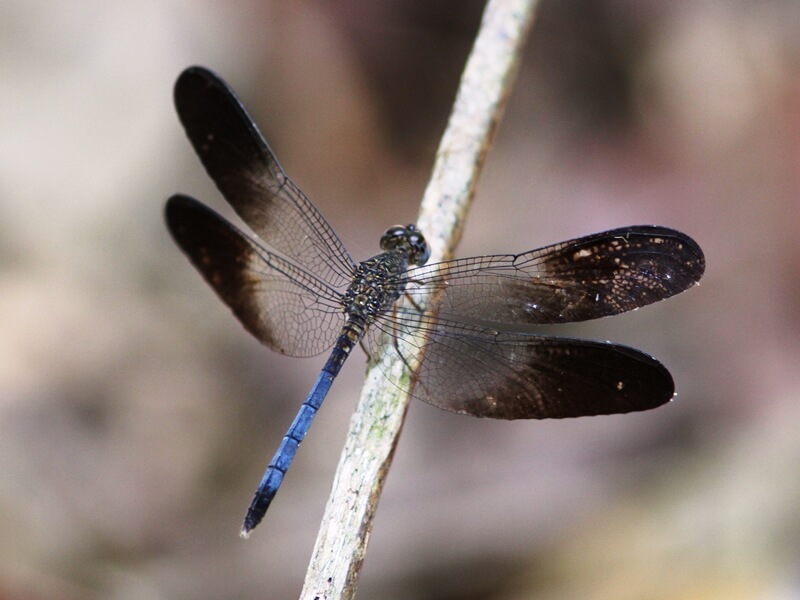
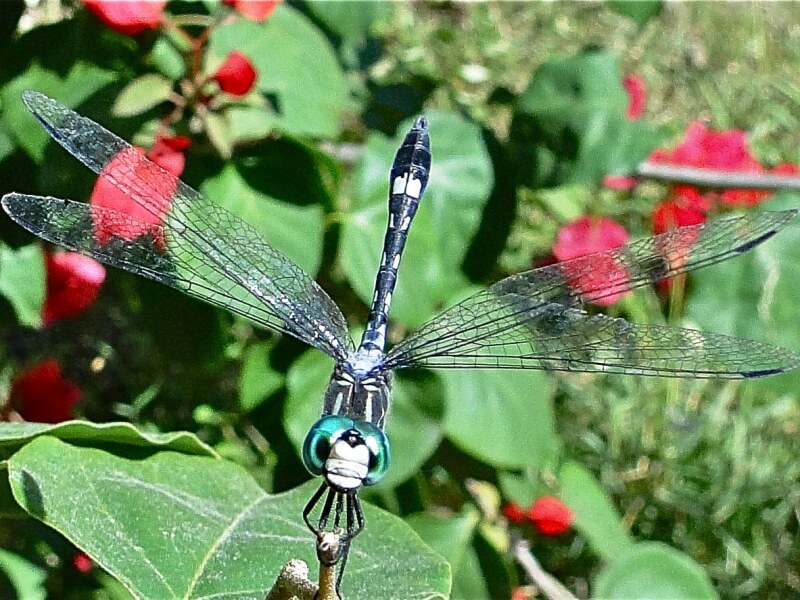
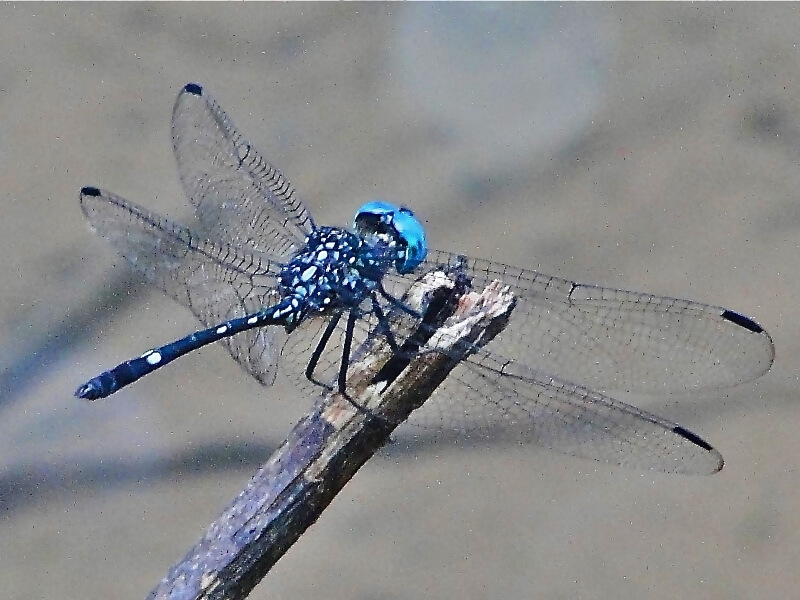
There are almost 300 species of dragonflies in Costa Rica. From these about 275 are described and about 25 is not yet.
The La Selva Biological station in Sarapiqui area is one of the best places where dragonflies have been studied, where about 130species were recorded.
Usually they can be eaisly found around little creeks, rivers, swampy wetlands, where lands meet water. These lovely smaller or bigger helicopters can be really colorful and attractive, however if you would try to take a photo of them, it is not easy at all. They are always on the wings and make very fast movements.
The best time to see them better when they lay eggs, then they stay still for a while.
At our place there are not many species but almost each we have around are very species range restricted species. Please check description of high elevation areas below.

HIGH ELEVATION at our garden or in our region
High-elevation dragonflies in Costa Rica often belong to genera like Argia (Dancers), Heteragrion (Flatwings), and Acanthagrion (Wedgetails), thriving in montane streams, cloud forests, and areas with cooler, misty conditions, with some families like Aeshnidae and Libellulidae reaching up to 2400m, while many forest specialists are found in these higher elevation cloud forest zones. Key species include the Talamanca Dancer (Argia talamanca), Montane Firetail (Telebasis garleppi), and species within the striking Philogenia genus (Flatwings) found in Braulio Carrillo NP
Key Genera & Species to Look For:
  • Argia (Dancers): Many species like the Talamanca Dancer (A. talamanca) and Dusky Dancer (A. translata) prefer cooler stream habitats at elevation.
  • Heteragrion (Flatwings): Found in forested, humid environments, including montane areas, known for specific habitat needs.
  • Acanthagrion (Wedgetails): Such as the Pacific Wedgetail (A. trilobatum), common in montane conditions.
  • Philogenia (Flatwings): P. carrillica is a notable species found in foothill cloud forests.
  • Telebasis (Firetails): The Montane Firetail (T. garleppi) is specifically associated with higher elevations.
  • Hetaerina (Rubyspots): Species like H. majuscula show preference for light levels in forest communities, even at higher elevations. 
Habitat & Elevation:
  • Dragonflies in Costa Rica show remarkable variation with altitude, with some families (AeshnidaeLibellulidae) extending up to 2400m.
  • Cloud forests, characterized by high humidity and canopy cover, host specialized forest-dwelling species from families like Polythoridae and Megapodagrionidae
Where to Find Them:
  • Talamanca Mountain slopes & valleys such as San Gerardo de Dota, Savegre Valley
  • Braulio Carrillo National Park: Offers trails (like Los Palmas) that pass through varied elevations, revealing different species like P. carrillica and Argia species.
  • Tatamá Mountains: Studies here show diverse dragonfly families thriving at higher elevations. 
To identify specific species, consult detailed field guides like "Dragonflies and Damselflies of Costa Rica: A Field Guide" or checklists from locations like Canopy Tower, notes Creagrus, and resources from the International Dragonfly Fund.
MID-ELEVATION AREAS - 1-1,5 hours drive from us
Mid-elevation 
Mid-elevation Costa Rica hosts diverse dragonflies, including vibrant Dancers (Argia spp.)Amberwings (Perithemis spp.)Firetails (Telebasis), and Skimmers like the Red-faced Dragonlet (Erythrodiplax fusca), often near streams and forest clearings, with species like the Caribbean Yellowface (Neoerythromma cultellatum) and Talamanca Dancer (Argia talamanca) being characteristic damselflies in montane zones. Key families are Libellulidae (skimmers) and Coenagrionidae (dancers/damselflies). 
Common Mid-Elevation Species (Examples):
  • Dancers (Argia spp.): Look for various blue, purple, and black dancers like the Talamanca Dancer (A. talamanca) or Azure Dancer (A. fissa) near streams.
  • Amberwings (Perithemis spp.): Small, colorful species often found in sunny spots.
  • Firetails (Telebasis spp.): Bright red damselflies, including the Montane Firetail (T. garleppi).
  • Caribbean Yellowface (Neoerythromma cultellatum): A striking blue/black damselfly with a distinct yellow face, common in mid-elevations.
  • Red-faced Dragonlet (Erythrodiplax fusca): Smaller red skimmer dragonfly, noted for its bright coloration.
  • Northern Redskimmer (Rhodopygia hinei): A large, very bright red dragonfly found in sunny perches. 
Where to Find Them:
  • Streams & Rivers: Dancers (Argia) love streams; look for them along edges.
  • Forest Clearings/Edges: Dragonflies often hunt in sunny spots near forest openings.
  • Ponds & Marshes: General dragonfly habitats, especially in lower mid-elevation areas. 
Tips for Finding Them:
 
LOWLANDS, MANGROVES & SEASIDE - within 1,5-2 hours drive from us
Costa Rica's lowlands host diverse dragonflies (Anisoptera) and damselflies (Zygoptera), with nearly 300 species, including notable families like Gomphidae (Clubtails), Libellulidae (Skimmers), and Coenagrionidae (Bluets/Dancers). Key lowland species or genera to look for include Rubyspots (Hetaerina), various Dancers (Argia), Helicopters (Mecistogaster, Megaloprepus), Flatwings (Heteragrion, Philogenia), and specific Clubtails like Epigomphus verticicornis in rainforests and rivers. Expect to find them near streams, ponds, and rainforest edges, with many unique forms in regions like the Golfo Dulce. 
Common Lowland Dragonflies & Damselflies:
  • Hetaerina (Rubyspots): Brightly colored, often near streams (e.g., H. miniataH. titia).
  • Argia (Dancers): Many species found in lowlands, from varied to swamp dancers.
  • Mecistogaster & Megaloprepus (Helicopters): Large, striking damselflies often in rainforest canopy.
  • Epigomphus (Clubtails): E. verticicornis is a Costa Rican endemic of moist lowlands and rivers.
  • Philogenia (Flatwings): Various species like the Costa Rican Flatwing (P. carrillica).
  • Dythemis (Setwings): D. sterilis (Brown Setwing) found in Pacific lowland areas. 
Where to Find Them:
  • Rainforests: Especially near streams, ponds, and forest gaps (e.g., Corcovado, Macaw Lodge area).
  • Pacific Lowlands: Areas like the Golfo Dulce region host numerous species.
  • Rivers & Streams: Essential habitats for many Gomphidae and Argia species. 
Key Takeaways:


COSTA RICAN DRAGONFLY PHOTO GALLERIES

You can find more pictures at the GALLERIES main menu.

Contact

Phone: Call May-October; Text all year 
+36 30-645-9318 or +36 30-211-0006
Call Nov-April: +506 84961012 or 84961417
e-mails: 
ecotoursgabororban @ gmail.com
toucanbirdingecolodge @ gmail.com 

Our mission

Our first priority is to save habitats & species.

Secondly we would like to share our knowledge of wildlife and encourage you to participate directly or indirectly in protecting nature.

We are also working continuously on our carbon balance with developing our 23 hectares of wildlife reserve.

Our partners

Information & Social Media