moths AT Casa Chlorophonia Guesthouse - Birding & Photography Garden & In the region

MOTH species of COSTA RICA

Costa Rica boasts of near 1.500 species of butterflies and 12.000 moths in the Lepidoptera order. The best time to observe butterflies in Costa Rica is generally from June till December, but please note, September and October can be extremely rainy. But basically during the whole year it is easy to observe hundreds of species of butterflies and moths during the whole year. Around 10% of the total butterfly species live in Costa Rica.

There are many amazing examples of Müllerian or Batesian mimicry amongst the various moths species which you can find in Costas Rica which you can misidentify or overlook believing that it is a wasp, leaf or butterfly for example.

HIGH ELEVATION AT OUR GARDEN & nearby areas
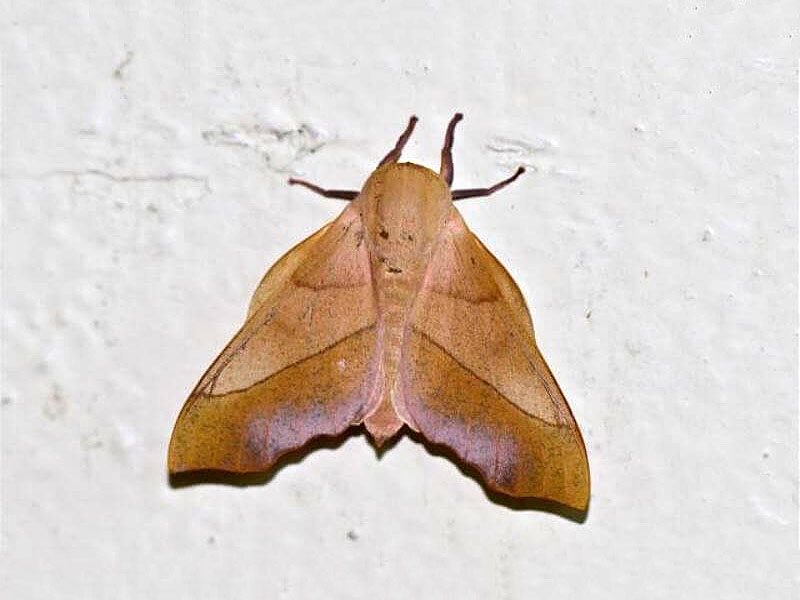
Costa Rica's highlands host incredible moth diversity, featuring Saturniidae (Silkworm Moths) like Oxytenis modestia (Dead Leaf Moth) & Sphingidae (Sphinx Moths) (e.g., Manduca), plus numerous families like GeometridaePyralidae, & Noctuidae, with regions like Monteverde & Los Angeles Cloud Forest being hotspots, showcasing stunning adaptations to cool, moist montane forests, though many species remain undescribed. 
 
Key Moth Families & Examples:
  • Saturniidae (Giant Silkworm Moths): Oxytenis modestia (Dead Leaf Moth) is a well-known species camouflaged as dead foliage.
  • Sphingidae (Sphinx/Hawk Moths): Various large, fast-flying species like Manduca ochus are common.
  • Geometridae (Inchworms/Loopers): Known for intricate patterns, often seen in cloud forests.
  • Pyralidae & Crambidae (Snout Moths & Grass Moths): Huge diversity, often with colorful or metallic scales.
  • Erebidae (Owlet & Tiger Moths): A very large family with diverse forms. 
Highland Hotspots:
  • San Gerardo de Dota
  • Monteverde & Los Angeles Cloud Forest: Famous for high humidity and unique flora, attracting specialized moth species.
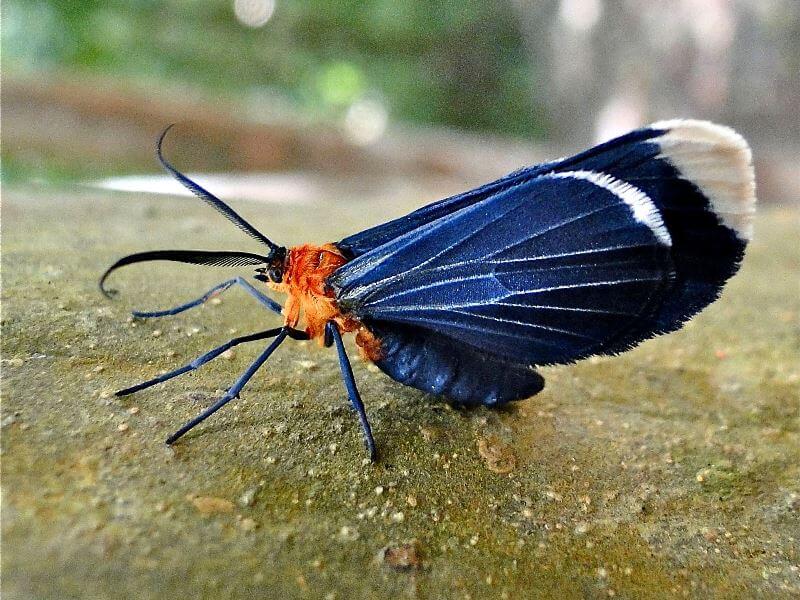
  • Arenal Area: Offers diverse forest types where moths like Ormetica sp. are found. 
Identification & Resources:
  • Moth Groups: Facebook groups (e.g., "Moths in Costa Rica") are great for identification help.
  • INBio & Local Guides: The National Biodiversity Institute (INBio) studies Costa Rica's vast insect life, though many species are still unknown. 
Why So Many?
  • Topography: Costa Rica's complex mountains create diverse microclimates (cool highlands, warm lowlands) and host specific host plants, leading to high local richness.
MID-ELEVATION within 1-1,5 hours drive from us
  • Middle elevations in Costa Rica host diverse moths, including striking day-flying Uraniid moths (like Urania fulgens), colorful Arctiinae (tiger moths), unique Saturniidae (silk moths like Oxytenis modestia), and many others in families like Geometridae, Crambidae, and Limacodidae, with specific species depending on altitude (e.g., Leopard Moth near 2800m) and habitat, often found in cloud forests or near fruiting trees. 
    Key Moth Types & Examples:
LOWLANDS, MANGROVES & SEASIDE - within 1,5-2 hours drive from us
  • Costa Rica's tropical lowlands host incredibly diverse moth fauna, including iconic day-flying Urania fulgens (Green Page Moth), large Saturniids (like Oxytenis modestia), and migratory Sphingids (hawk moths) that act as key pollinators, with richness varying by habitat (creek, slope, ridge forests) and seasons, showcasing unique adaptations for dry/wet periods. 
 
Key Moth Groups & Species
  • Uranidae (Swallowtail Moths): Urania fulgens (Green Page Moth) is famous for its iridescent colors and large-scale migrations, often mistaken for butterflies.
  • Saturniidae (Giant Silkworm Moths): Large, spectacular moths, including the widespread Eades imperialis (Imperial Moth) and Oxytenis modestia (Costa Rica Leaf Moth).
  • Sphingidae (Hawk Moths): Major pollinators, known for long-distance movements between lowland and dry forests.
  • Erebidae (Tiger & Lichen Moths) & Geometridae (Inchworm Moths): Show significant diversity and distinct patterns between forest types, as studied in areas like Santa Rosa. 
Habitat & Diversity
  • Forest Types: Moth communities differ significantly between lowland creek forests, slope forests, and ridge forests, with richness increasing from creek to ridge.
  • Seasonal Shifts: Moths use complex strategies, like dormancy (pupae) during the dry season, breaking diapause with the rains, as seen in Santa Rosa National Park. 
Where to Find Them
  • Basically everywhere, but some of the Biological Stations put an extra effort on moth research, like Piedras Blancas, Sirena, and Santa Rosa in Guanacaste Conservation Area (ACG) are hotspots for moth research and viewing. 
Why They Matter
  • Pollination: Sphingids and other moths are vital pollinators for tropical plants.
  • Biodiversity Indicators: Moth assemblages reflect environmental changes and small-scale habitat differences.

COSTA RICAN MOTH PHOTO GALLERIES

You can find pictures at the GALLERIES main menu.

Full List of Costa Rican Moths

The below list is work of Heiner Ziegle, an excellent Swiss lepidopterist and photographer. The below links take you to his excellent website with photos of each species.

Moths species

Moths of Costa Rica: 4208 species

Contact

Phone: Call May-October; Text all year 
+36 30-645-9318 or +36 30-211-0006
Call Nov-April: +506 84961012 or 84961417
e-mails: 
ecotoursgabororban @ gmail.com
toucanbirdingecolodge @ gmail.com 

Our mission

Our first priority is to save habitats & species.

Secondly we would like to share our knowledge of wildlife and encourage you to participate directly or indirectly in protecting nature.

We are also working continuously on our carbon balance with developing our 23 hectares of wildlife reserve.

Our partners

Information & Social Media